
Zambia Net-Works Project
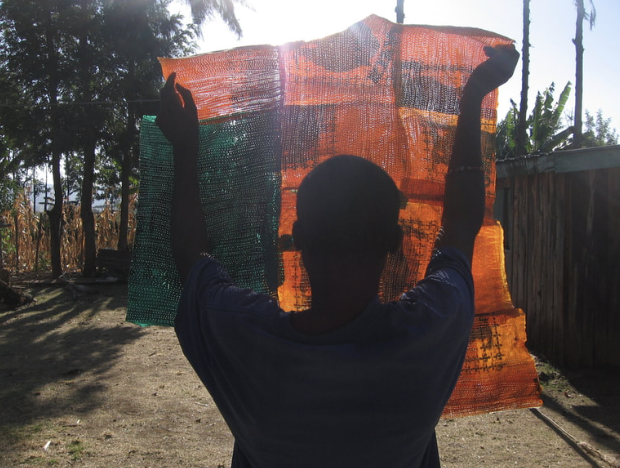
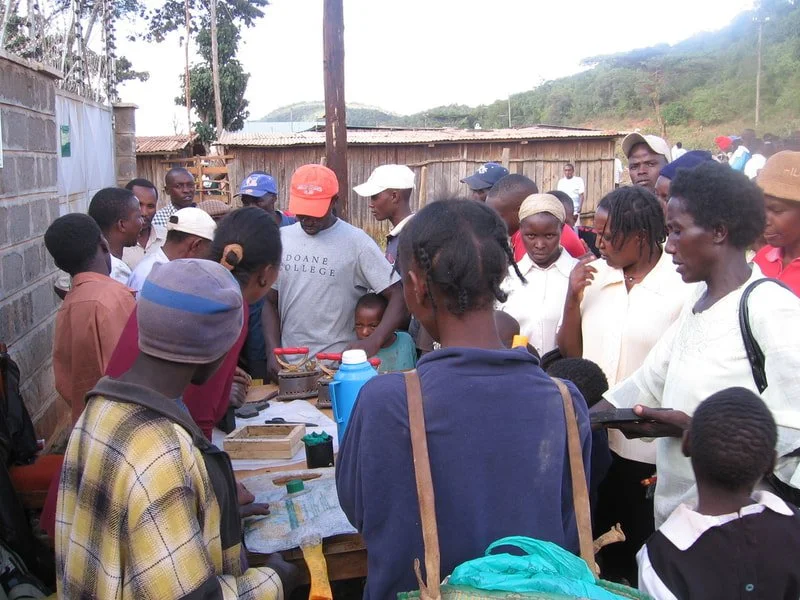
The Pennywise Zambia Net-Works project connected Doane Net Project's (DNP) vision with Power of Love's (POL) on-the-ground malaria net distribution and micro-lending programs. Together, we created a collaborative initiative through which DNP trained hundreds of individuals in Zambia (primarily women seeking pathways out of poverty) in how to prevent malaria, generate income, and help the environment by making usable items out of waste plastic. The project created a model that can be implemented around the world.
The DOANE Net Project (DNP)
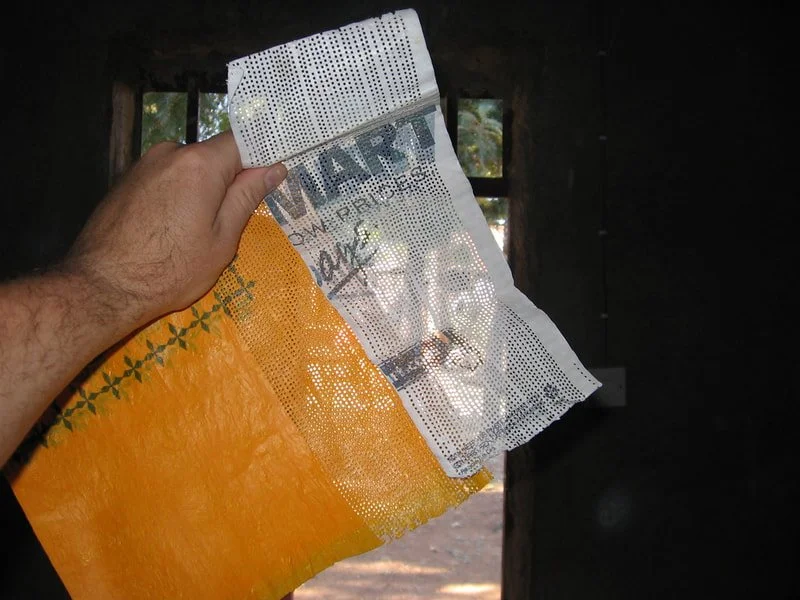
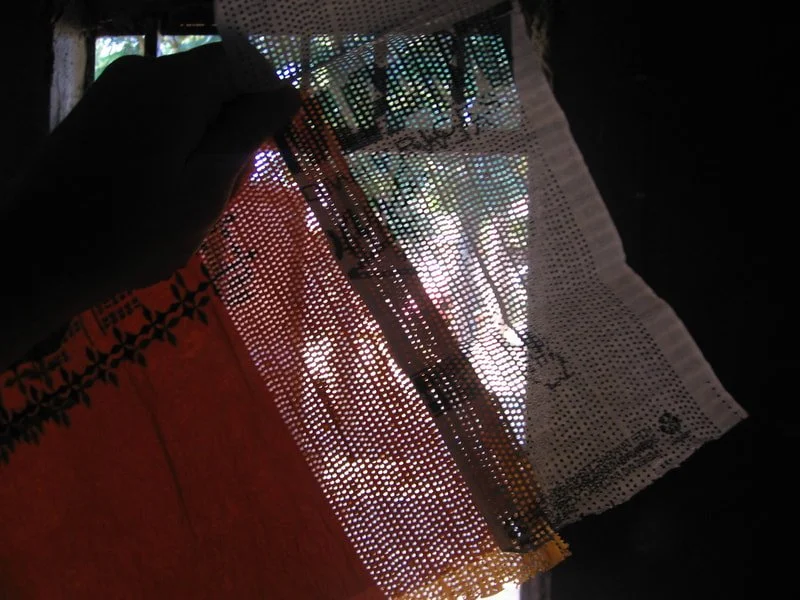
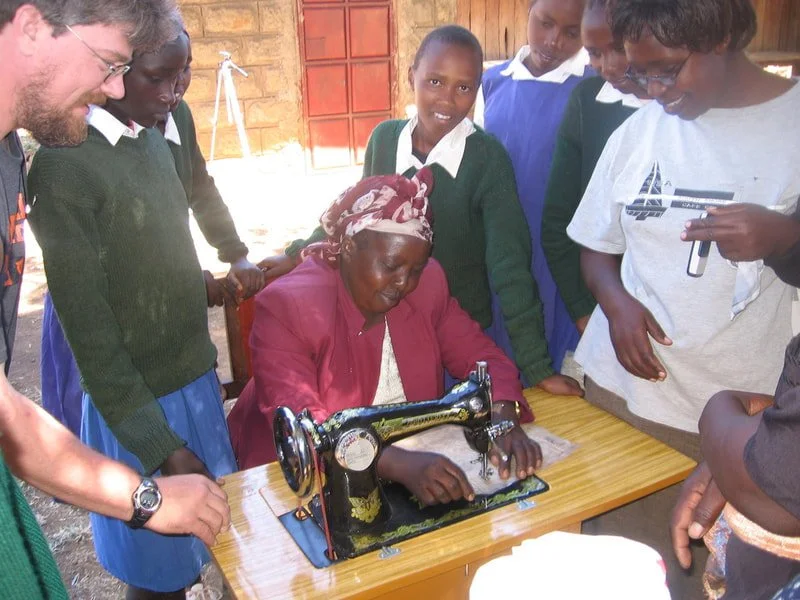
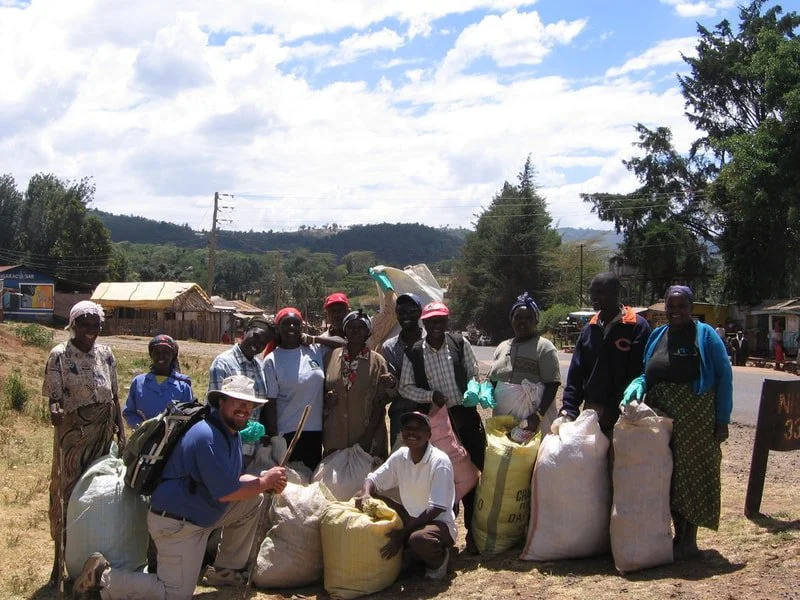
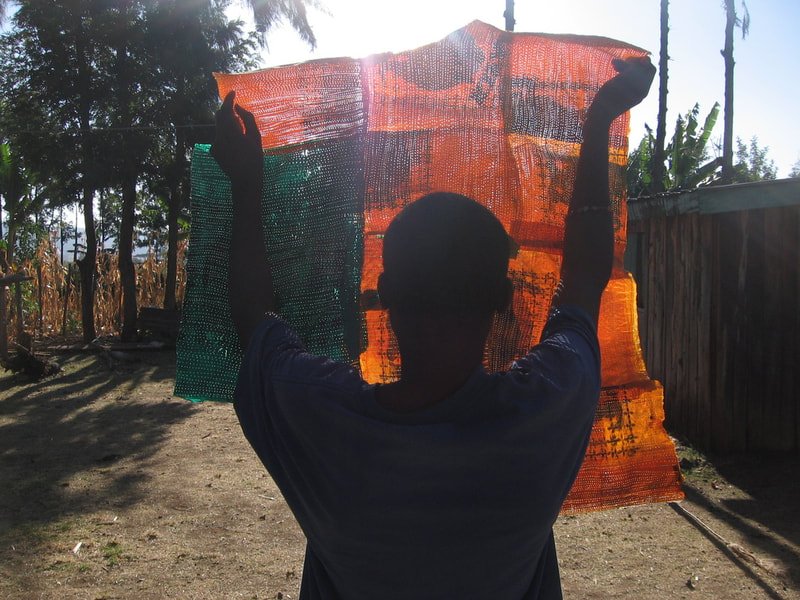
The DNP, founded by a professor of biology in the US, teaches a simple method for turning waste plastic bags into mosquito screens, mosquito bed nets and other important products such as raincoats, school bags, and solar showers. The concept behind the DNP is that the people who make the nets and other products can help prevent malaria in their families, improve their standards of living, sell the products for income and improve the environment by clearing their communities of plastic waste.
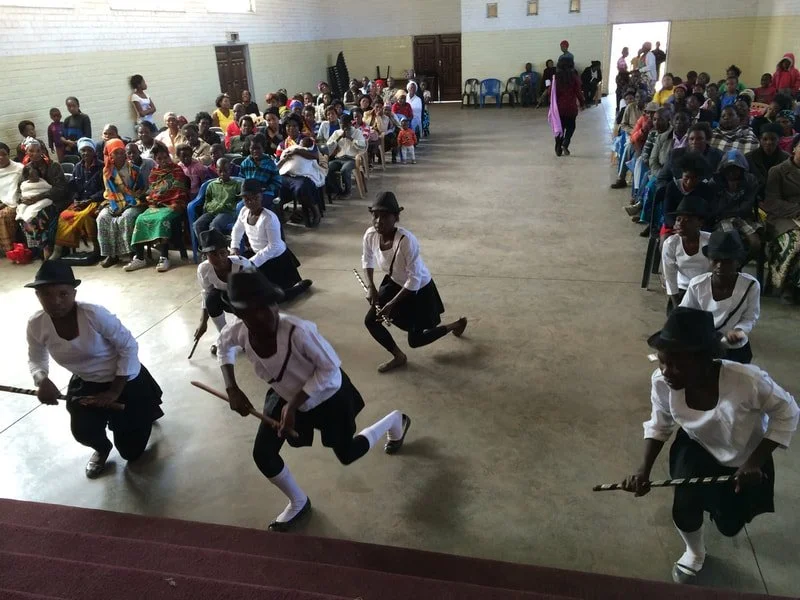
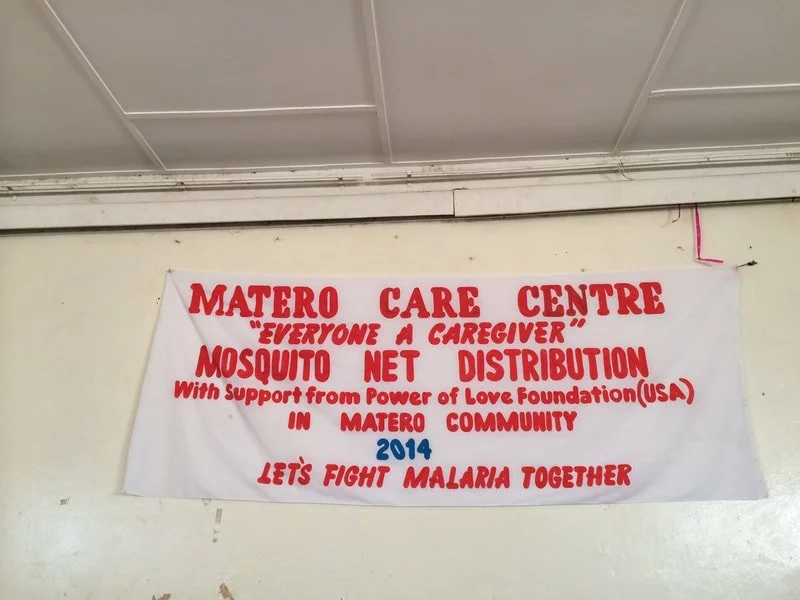
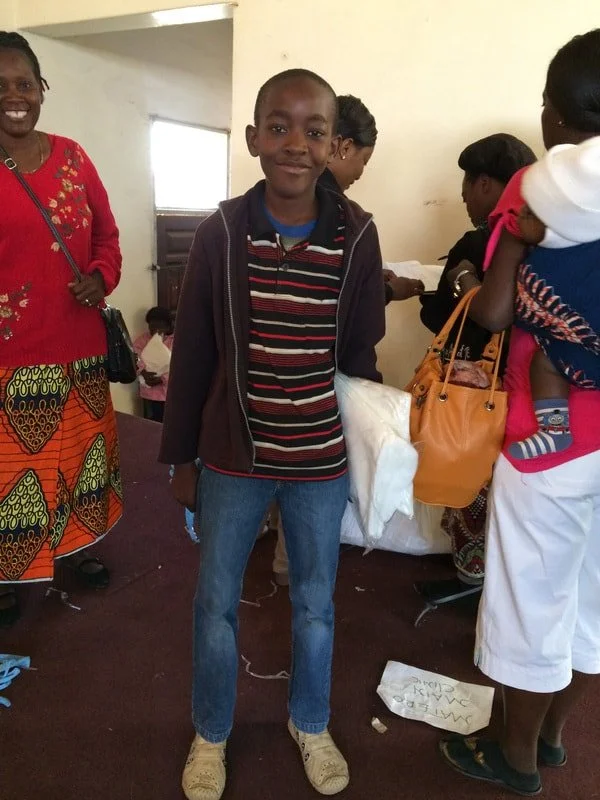
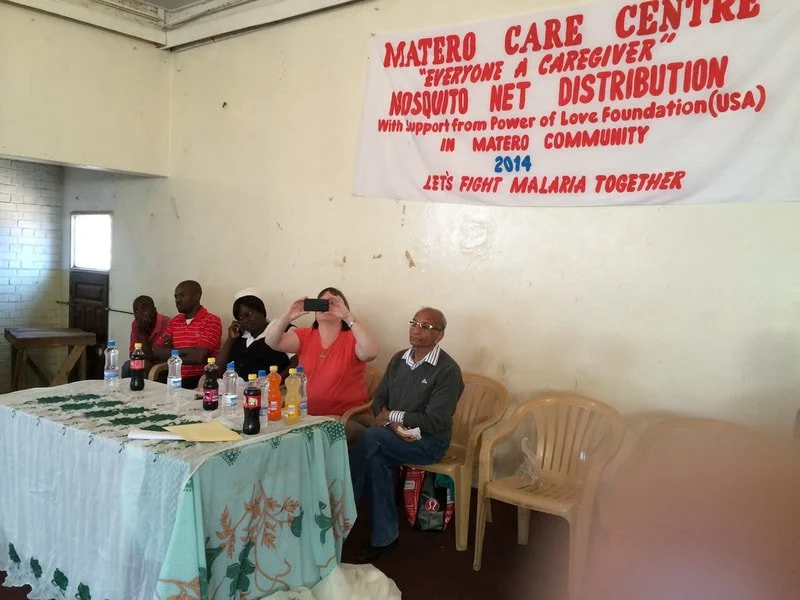
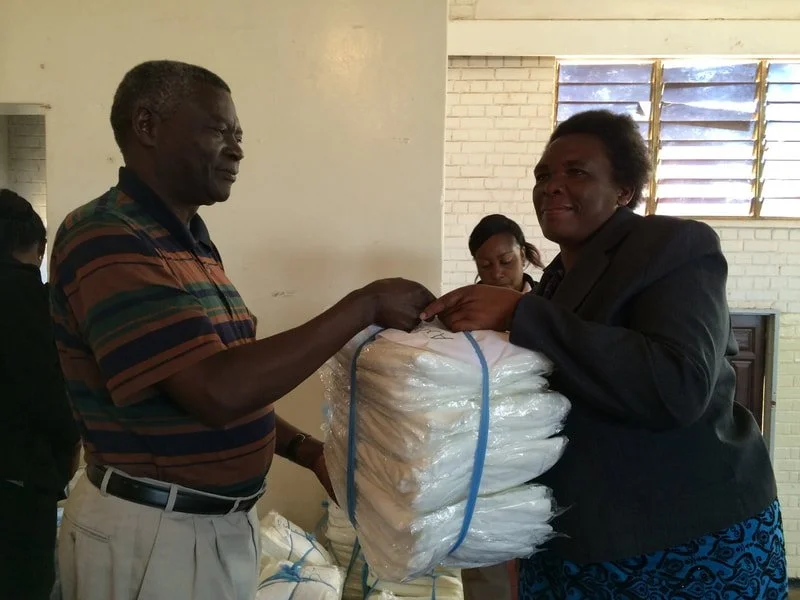
The Power of Love Foundation is focused on developing innovative, cost-effective solutions to address the AIDS epidemic. POL works directly with women and children impacted by AIDS. It empowers women (many of whom are grandmothers caring for several orphaned grandchildren) and helps them become self-reliant through a multi-pronged approach. This approach includes education, health care resources and micro-lending, and business training; as well as providing long lasting insecticide nets and education on malaria to vulnerable children and families.
The Zambia Net-Works Project
Nearly 300 Matero residents have learned the DNP method.
More than a dozen women received follow-up, specialized training from DNP that focused on making disease-preventing window screens.
Developed partnerships with local carpenters (generating income for them, too) to design and install frames for screens.
Installed high quality window screens in the first Matero homes.
Conducted evaluation and ongoing needs-assessment surveys. These helped inform the project’s shift from bed nets, which were being underused, to widely-desired window screens.
The Zambian Ministry of Health invited DNP to meetings in which they discussed the project's potential for responding both to Malaria and to a recent cholera outbreak in the Matero area.